


The Old & The New; in the historic town of Pachad, Raigad Fort

Ar. Parnavi Bangar
'The Coexistence' Historic Urban Landscape in Pachad.
Generations change,
Lifestyles change,
Materials change,
And so do we.
Where are we going from here?


This is a beautiful house I photographed in 2017 at the foothills of Raigad Fort in Pachad village. The old part of the house (left) is where the parents live, and the new part (right) was renovated by their son, where he now stays. I came across this photograph again this year and wondered if the house was still standing. Through Google Maps Street View, I discovered that it is. That made me think about it even more.
Life is changing rapidly, and how we embrace and treat the old within a new setting matters the most, especially for future generations to come. So what does urban infrastructure mean in a place like this?


First two: Students in Pachad ZP school. Second Two: Occupant and cattle in the subject house in Pachad shown above.
In the above picture is the grandmother who lives in this house. I am amazed by the house, its setting, and everything around it. It is a striking image and a beautiful amalgamation of old and new. It makes me think about how the only way to repair and renew the house may have been to rebuild it using a different, modern material, completely changing its architectural language. This choice was probably economical and based on the materials and resources readily available in the town. It may also have been considered more durable than the old structure because it requires less maintenance as compared to the old.


Street futniture in the village infrastucture.
I have been trying to understand the rural infrastructure of India and how we represent it to the world. It makes me think about why conservation is important and why awareness is equally important. Awareness is needed not only while planning and redesigning cities, roads, and bridges, but also among the people who continue to live in heritage structures that have stood the test of time. It is merely a house, but the essence of the issue goes much deeper than that.

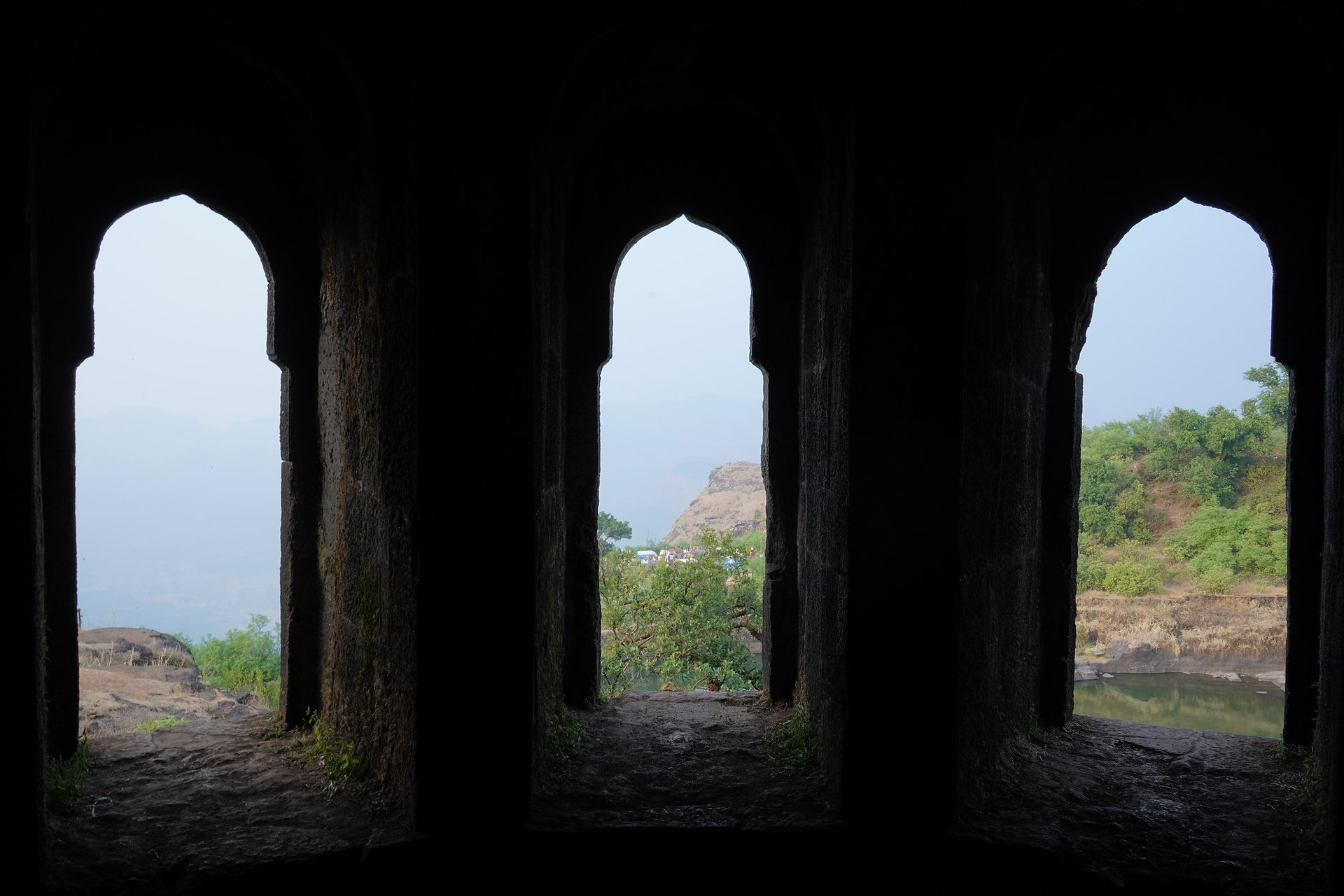
Raigad Fort, Maharashtra, India.
Being so close to Raigad Fort, the architectural language and the heritage urban landscape of the houses, buildings, street furniture, rural infrastructure, and surroundings should perhaps relate to the larger context of the region. As Pachad is a historic village which has immense significance in the trade routes and location during the time of Maratha Empire. As it is the town connecting the Rajdhani of Chatrapati Shivaji Maharaj and was the residence of Rajmata Jijamata, having her Samadhi today. This should also be reflected in the development plans for the area. However, things do not always happen as planned, and implementing such ideas in rural settlements can be difficult.
This thought keeps bringing me back to the gap between what can be done and the resources that people on the ground actually have.
By sharing this thought, I want you to think about it too.
'What can be done? '
'What solutions can be implemented?'
'What do you think about this?'
Author: Ar. Parnavi Bangar
All pictures and All rights reserved ©Parnavi Bangar, Reminiscing History
Related Products
Have a story you want to share?
Tap on the link below to tell us your stories and insights about monuments and heritage. Let's collaborate on spreading the word about our history.

Comments